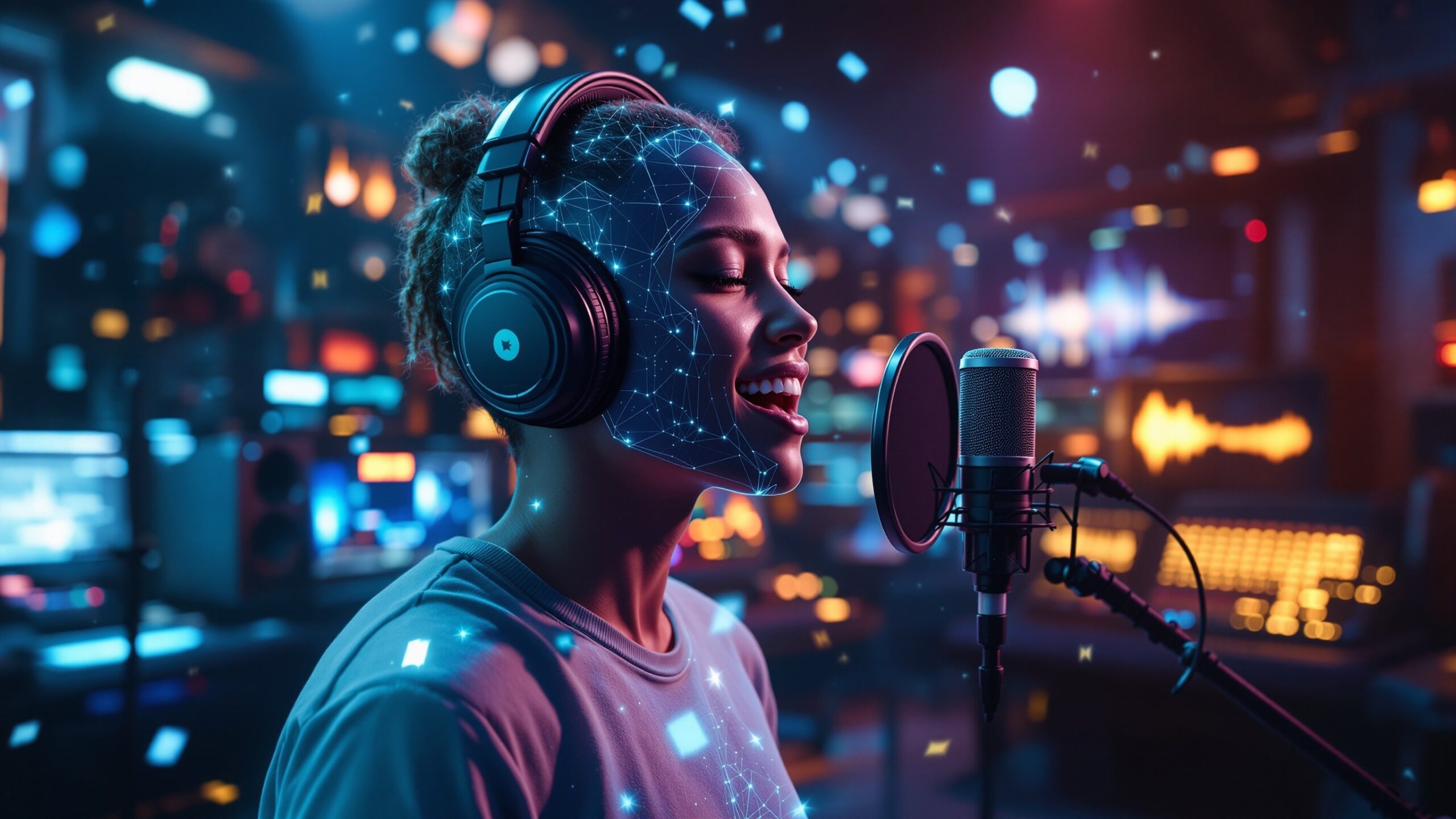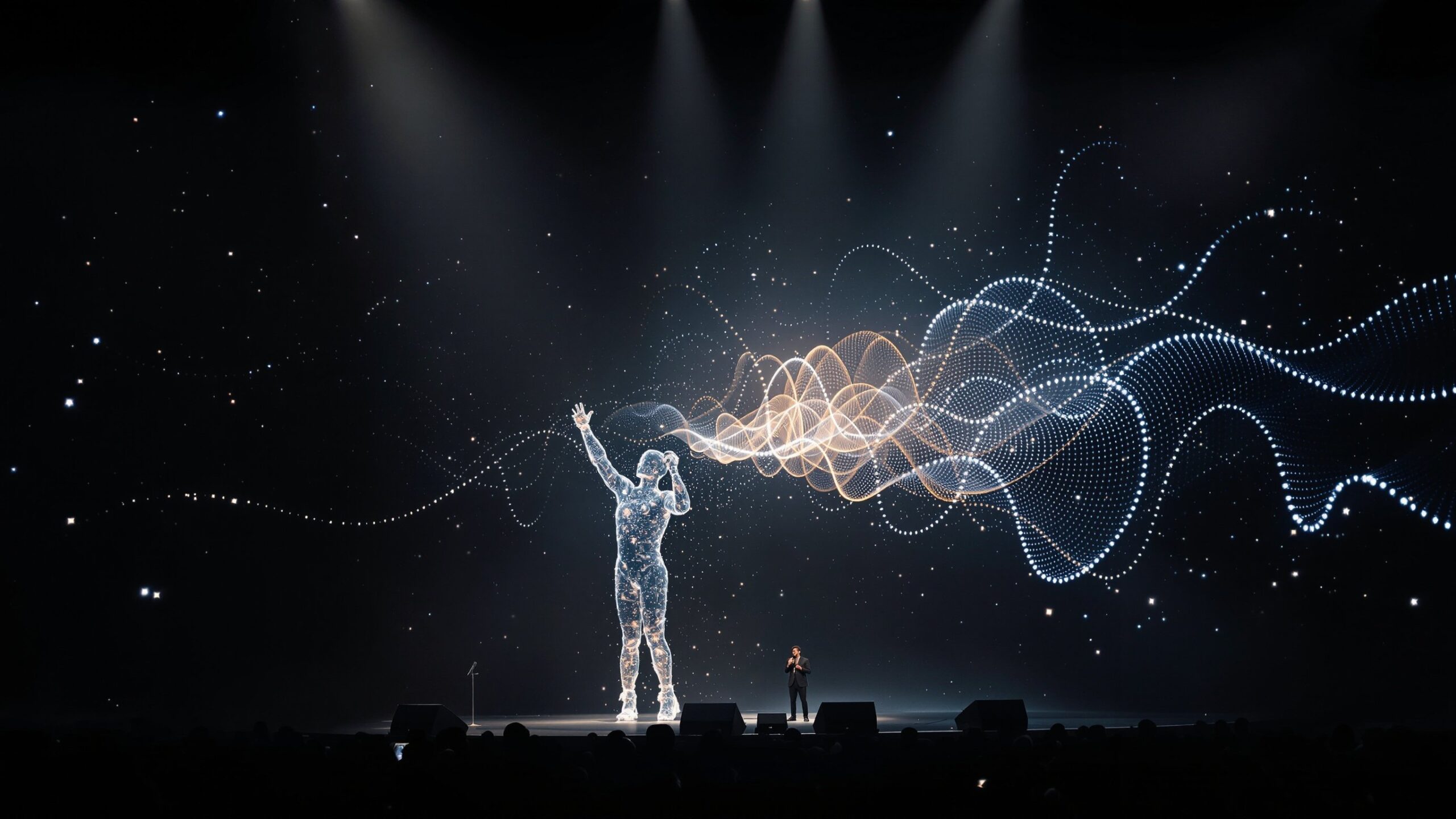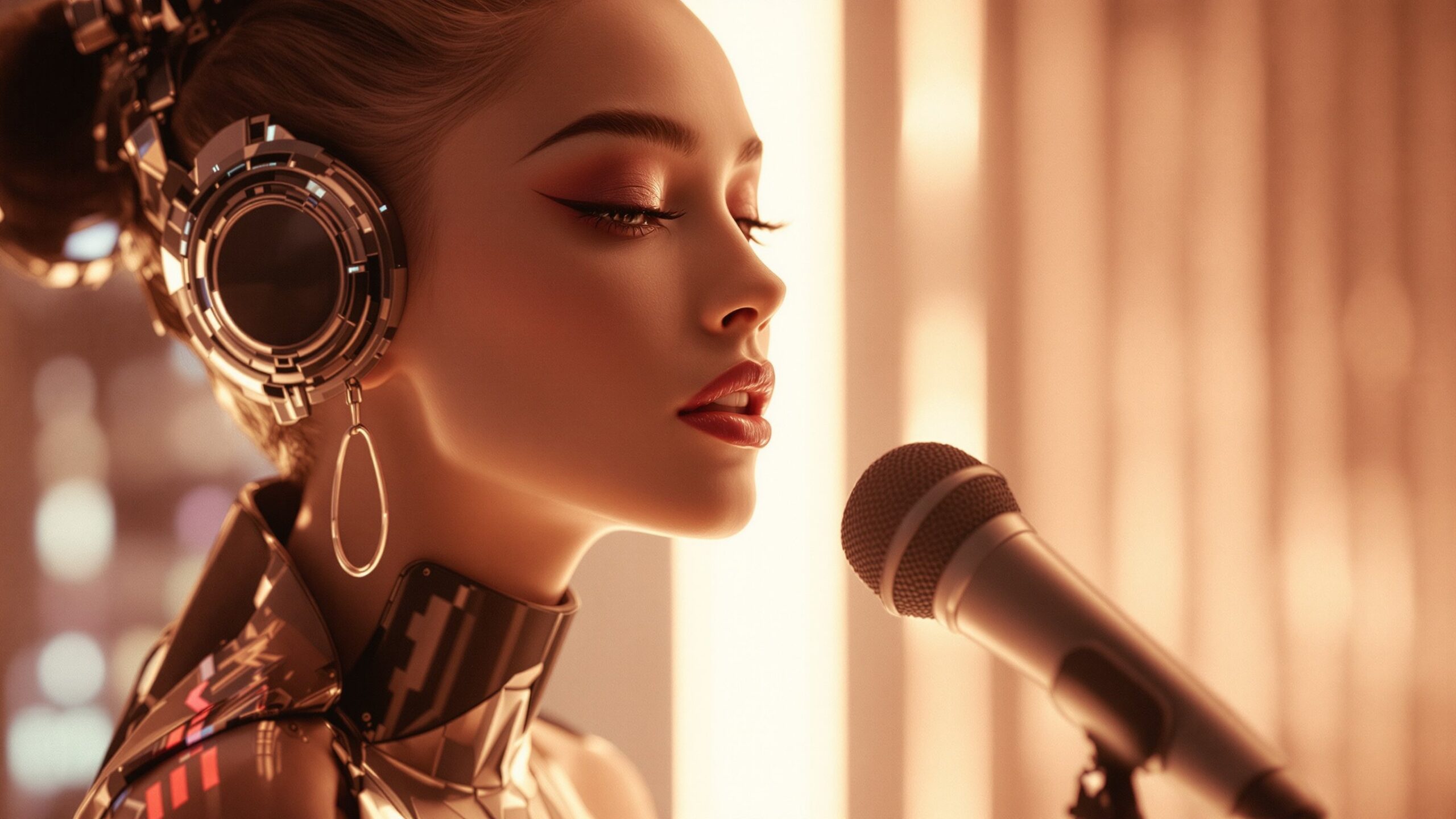
A new kind of performer is quietly taking center stage in music, social media, and digital culture. They release songs, build fanbases, headline virtual concerts, and collaborate with human artists—yet they don’t age, tour, or exist in the physical world. These are AI singer personas, and they represent one of the most fascinating creative shifts since music went digital. What started as experimental voice synthesis has evolved into fully realized virtual performers with identities, aesthetics, backstories, and emotional range. Today, artists, producers, brands, and everyday creators are all building their own AI singers—and the reasons go far beyond novelty. AI singer personas sit at the intersection of music, storytelling, technology, and identity. They challenge long-held ideas about authorship and performance while unlocking creative freedom that was previously impossible. To understand why they’re exploding in popularity, we need to look at what they are, how they work, and why they resonate so deeply with modern audiences.
A: Not always. A persona can be original; cloning implies matching a specific person’s voice.
A: Usually changing prompts, model settings, or the vocal chain—lock your template and constraints.
Defining the AI Singer Persona
An AI singer persona is not just an artificial voice. It is a constructed musical identity powered by machine-learning models that generate or perform vocals, often combined with a defined character profile. That profile may include a name, vocal tone, emotional style, visual appearance, genre preference, narrative arc, and even a “personality” that fans can recognize over time.
Unlike traditional session vocals or anonymous voice synthesis, an AI singer persona is meant to feel consistent and recognizable. Listeners don’t just hear a song—they hear that singer. Over multiple releases, the persona becomes familiar, much like a human artist whose voice and artistic choices define their brand.
Early examples of virtual singers helped establish this concept long before modern generative AI. Characters like Hatsune Miku demonstrated that audiences could emotionally connect with a performer who exists purely as a digital construct. Today’s AI singer personas expand that idea dramatically by adding realism, flexibility, and creative control.
How AI Singer Personas Actually Work
Behind the scenes, AI singer personas are built using a combination of technologies. Vocal synthesis or voice-cloning models generate sung vocals based on text, MIDI, or melody input. These systems learn pitch transitions, phrasing, vibrato, and emotional nuance from training data, allowing them to perform convincingly across genres.
What separates a persona from a generic AI voice is intentional design. Creators make deliberate choices about how the singer should sound and behave. Is the voice warm and intimate, or powerful and theatrical? Does the persona specialize in electronic pop, cinematic ballads, experimental hip-hop, or lo-fi ambient tracks? Over time, these choices create sonic continuity.
Many creators also pair the voice with visual representation—illustrated avatars, 3D characters, album art styles, or animated performances. The result is a cohesive performer that feels “real” within its own digital context, even when audiences know it’s artificial.
The Creative Freedom Driving Adoption
One of the biggest reasons AI singer personas are spreading so quickly is creative freedom. Human singers bring extraordinary artistry, but they also come with practical and emotional limitations. AI personas never lose their voice, never need rest, and never conflict with scheduling, contracts, or creative direction.
For producers and songwriters, this means complete control over the final performance. A melody can be revised endlessly without rebooking studio time. Lyrics can be adjusted on the fly. Songs can be localized into multiple languages using the same persona voice. The creative loop becomes faster, more experimental, and less constrained.
This freedom is especially appealing to independent creators who may not have access to professional vocalists. AI singer personas lower the barrier to entry while still allowing for distinctive artistry. Instead of chasing a “perfect” human performance, creators can design a singer who perfectly matches their vision.
Identity in the Age of Digital Performance
AI singer personas also tap into a broader cultural shift around identity. Online, people already curate multiple versions of themselves through avatars, usernames, and social profiles. Virtual performers are a natural extension of that mindset.
For some creators, an AI singer persona becomes an alter ego—a way to express emotions, aesthetics, or narratives that feel too vulnerable or impractical to present as themselves. Others use personas to explore genres outside their usual style without confusing their existing brand. The persona becomes a creative mask that invites experimentation.
Audiences, especially younger ones, are comfortable forming emotional connections with digital identities. They follow VTubers, virtual influencers, and animated characters with genuine enthusiasm. AI singers fit seamlessly into this ecosystem, offering music as another emotional touchpoint.
Why Fans Embrace AI Singers
The appeal of AI singer personas isn’t limited to creators. Fans play a crucial role in their rise. Many listeners enjoy the blend of futuristic novelty and emotional familiarity. A well-designed AI singer can sound intimate, expressive, and emotionally compelling—even while openly artificial.
There’s also an element of participation. Fans often feel closer to AI personas because they can influence their evolution. Through comments, remixes, fan art, and story ideas, audiences help shape the persona’s identity. This collaborative dynamic creates a sense of shared ownership that traditional celebrity culture rarely offers.
Virtual singers also avoid some of the baggage associated with human fame. There are no scandals, no aging controversies, and no public breakdowns. For some fans, that stability is comforting. The persona exists purely to create and perform.
From Niche Experiment to Mainstream Tool
What once felt like a niche curiosity is now becoming mainstream. Major producers are experimenting with AI vocals. Indie artists are releasing entire albums performed by virtual singers. Brands are commissioning AI personas to represent their sound identity across campaigns, games, and immersive experiences.
Platforms that support short-form video and streaming have accelerated this trend. AI singer personas can release frequent content without burnout, adapting quickly to trends while maintaining a consistent identity. In a fast-moving attention economy, that adaptability is invaluable.
Importantly, this doesn’t signal the end of human singers. Instead, it expands the musical ecosystem. AI personas coexist with human artists, sometimes collaborating, sometimes serving as conceptual projects, and sometimes acting as tools within a broader creative workflow.
Ethical and Artistic Questions
The rise of AI singer personas also raises important questions. Who owns an AI voice? How should training data be sourced and credited? What happens when an AI singer becomes more popular than the humans behind it?
Responsible creators are increasingly transparent about how their personas are made. They avoid unauthorized voice cloning and clearly distinguish between human performers and synthetic ones. As norms and regulations evolve, ethical design will become a defining factor in which AI singers earn lasting trust.
Artistically, critics sometimes argue that AI singers lack “soul.” Yet history shows that new technologies are often dismissed before becoming accepted. Electric guitars, synthesizers, and autotune all faced similar skepticism. What matters is not the tool, but how creatively and thoughtfully it’s used.
The Business Case for AI Singer Personas
Beyond art, AI singer personas make strong business sense. They are infinitely scalable. A single persona can release music, appear in games, host virtual concerts, narrate stories, and interact with fans across platforms—all without physical limitations.
For brands and franchises, this means long-term consistency. An AI singer never ages out of a role and can adapt stylistically as trends change. Licensing becomes simpler when the performer is entirely owned and controlled by its creators.
Independent musicians also benefit. Instead of competing in oversaturated markets with identical production aesthetics, they can differentiate themselves through a unique persona that listeners remember.
AI Singer Personas as Storytelling Engines
One overlooked aspect of AI singer personas is their power as storytelling tools. Songs don’t exist in isolation; they’re part of an unfolding narrative. A persona can evolve emotionally across releases, reflecting growth, conflict, or transformation in ways that feel episodic and immersive. Some creators treat their AI singers like protagonists in an ongoing series. Albums become chapters. Singles act as plot points. Fans return not just for the music, but to see what happens next. This narrative continuity strengthens engagement and loyalty. In this sense, AI singer personas are closer to fictional characters than traditional musicians. They live in a hybrid space between music, literature, and performance art.
Why “Everyone” Is Creating Them Now
The sudden surge in AI singer personas isn’t accidental. Three forces are converging: accessible AI tools, creator-driven platforms, and an audience primed for virtual identity.
Modern AI vocal tools no longer require advanced technical knowledge. Interfaces are becoming intuitive, affordable, and integrated into familiar music software. At the same time, creators are rewarded for originality and frequency, both of which AI personas support.
Finally, audiences are ready. Virtual influencers, digital fashion, and metaverse experiences have normalized the idea that meaningful connection doesn’t require physical presence. Music, inherently emotional and imaginative, is the perfect medium for this shift.
The Future of Virtual Voices
Looking ahead, AI singer personas are likely to become more expressive, interactive, and personalized. Future systems may allow fans to request custom performances, emotional variations, or collaborative songwriting sessions with their favorite virtual singers.
We may also see hybrid models where human artists and AI personas share creative control, blending human intuition with machine precision. Rather than replacing musicians, AI singer personas will continue to expand what it means to be an artist.
What’s clear is that this movement is not a passing trend. AI singer personas reflect deeper changes in how we create, consume, and connect through music.
A New Chapter in Musical Identity
AI singer personas are more than digital curiosities. They are tools of expression, vehicles for storytelling, and symbols of a culture increasingly comfortable with fluid identity and virtual presence. People are creating them not because they want to erase human artistry, but because they want new ways to explore it. In an era where creativity is no longer bound by physical limitations, the question is no longer why AI singer personas exist. The real question is how boldly creators will use them—and what entirely new forms of music and meaning will emerge as a result.