
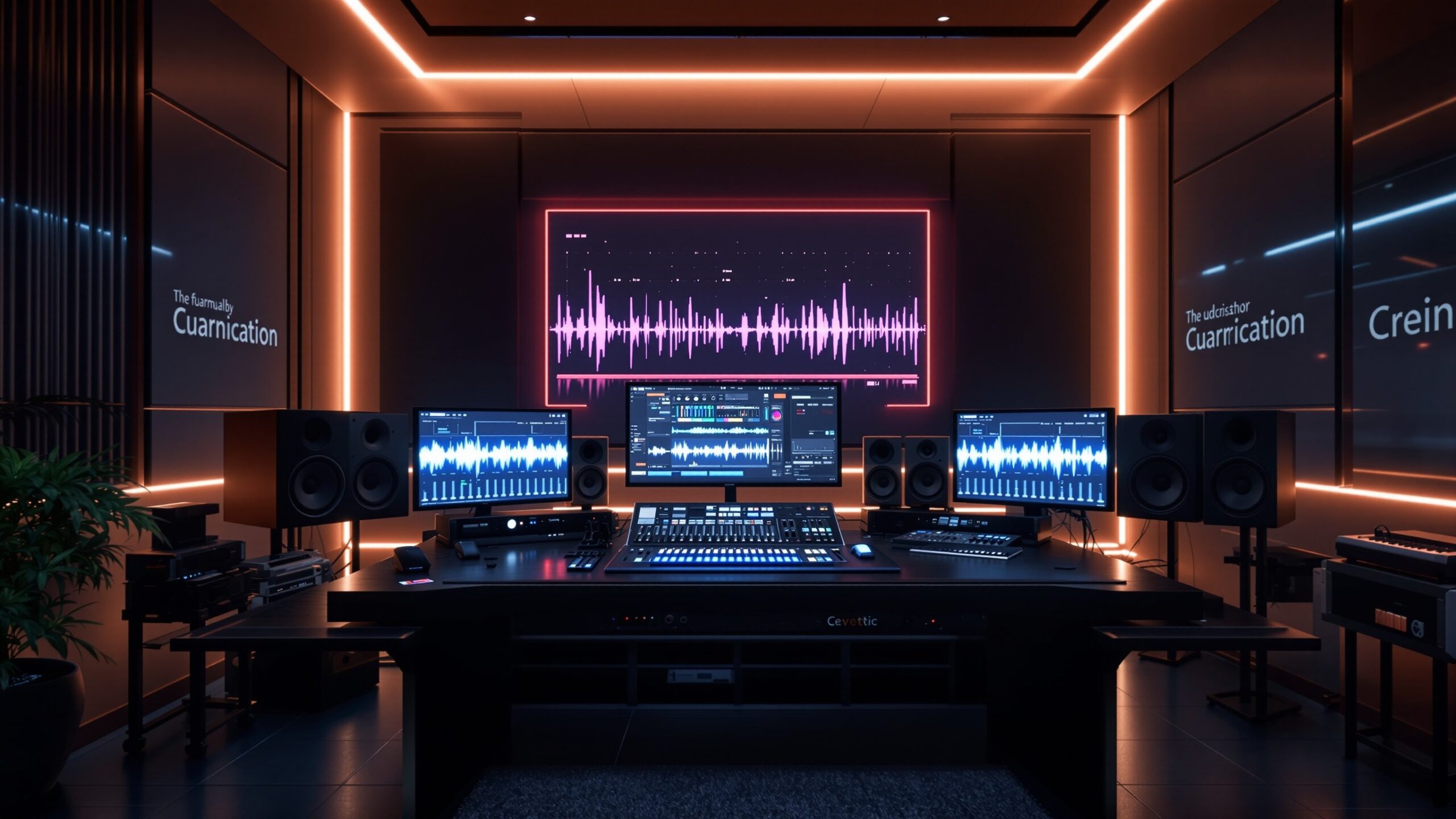
AI Mixing Systems are transforming the final stage of music production into a fast, intuitive, and deeply creative experience. On AI Music Street, this category dives into the tools and techniques that use machine learning to balance levels, sculpt frequencies, control dynamics, and polish tracks with remarkable precision. Whether you’re refining a bedroom demo, producing chart-ready pop, or shaping cinematic soundscapes, AI mixing systems act like a tireless virtual engineer—analyzing audio in real time and making intelligent decisions that once took hours of manual tweaking. Here, you’ll explore how modern AI mixers adapt to genres, recognize instruments, and respond to artistic intent rather than rigid presets. From automated gain staging and smart EQ to adaptive compression and spatial enhancement, these systems empower creators to focus on emotion, energy, and storytelling instead of technical bottlenecks. You’ll also discover where human creativity and AI collaboration intersect, learning when to trust automation and when to take control. AI Mixing Systems isn’t just about speed—it’s about unlocking consistency, clarity, and confidence in every mix. Whether you’re a producer, artist, or audio enthusiast, this hub is your gateway to the future sound of music.
A: It speeds up routine tasks, but taste, direction, and creative decisions still need humans.
A: Clean WAV/AIFF stems or multitracks, no master limiter, consistent start time for all tracks.
A: Switch mix profile, reduce “air” boosts, add de-essing, and compare against a reference.
A: It can help, but clipped vocals, heavy room noise, and poor mic placement still limit results.
A: High-pass non-bass tracks, keep sub in mono, and tame kick/bass overlap with EQ or sidechain.
A: No—mixing balances elements; mastering finalizes loudness/translation across systems.
A: Add vocal automation, reduce masking instruments during vocal phrases, and check midrange buildup.
A: Highly recommended—references guide tonal balance and loudness so the AI aims at the right target.
A: Keep it light: gentle glue comp/saturation only; leave headroom and avoid heavy limiting.
A: A/B level-matched, check mono + earbuds, then adjust only the biggest 2–3 issues first.