
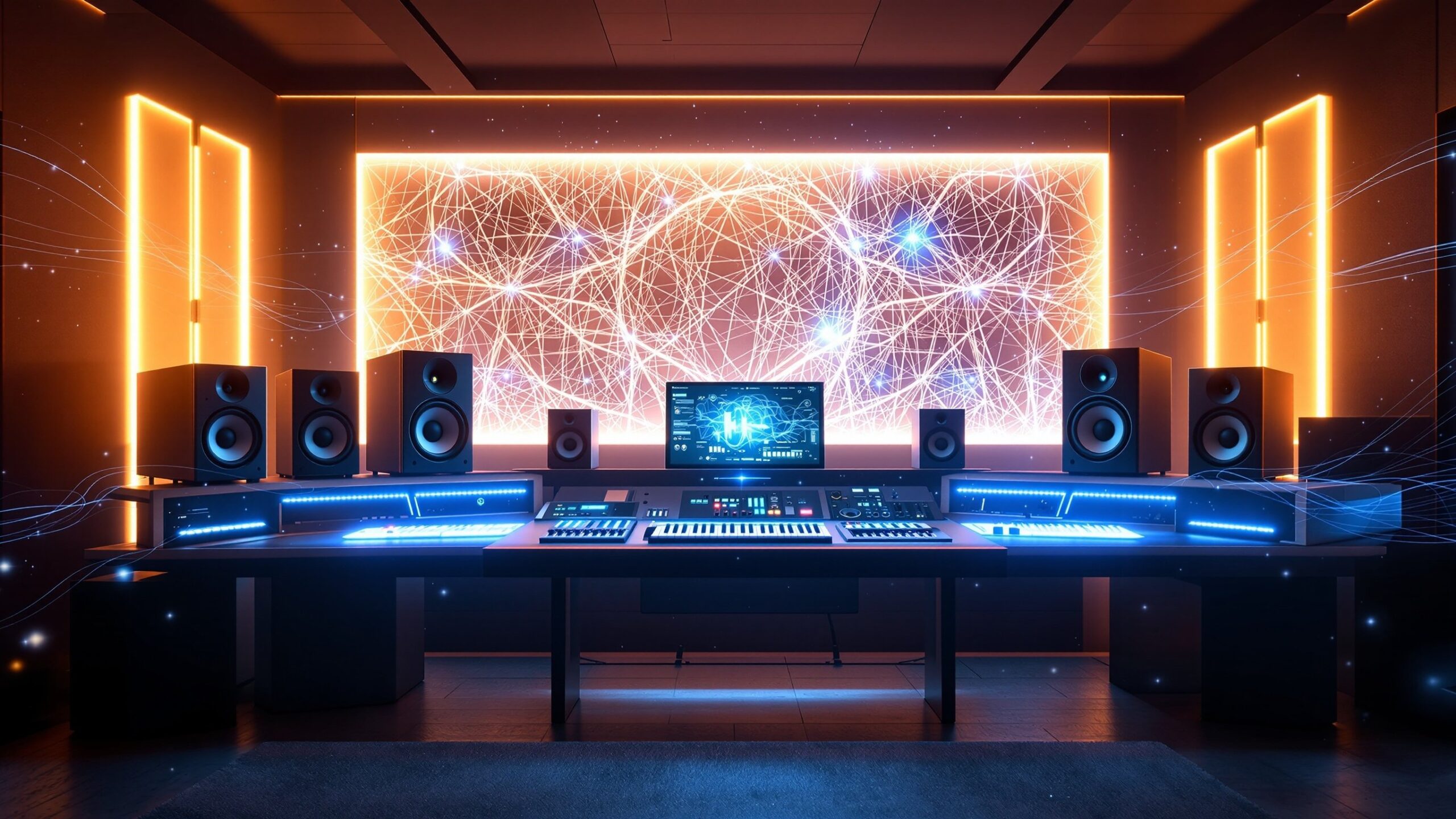
AI DAW Enhancements are transforming the digital studio into something smarter, faster, and far more creative than ever before. On AI Music Street, this category explores how artificial intelligence is seamlessly weaving itself into modern Digital Audio Workstations—elevating everything from composition and sound design to mixing, mastering, and workflow automation. These tools don’t replace creativity; they amplify it, acting like intelligent studio partners that learn your style, anticipate your needs, and help you move from idea to finished track with unprecedented speed. Here you’ll discover how AI-powered features can generate musical ideas, suggest chord progressions, optimize arrangements, clean up recordings, balance mixes, and even adapt to your personal production habits over time. Whether you’re a bedroom producer chasing inspiration, a professional engineer refining efficiency, or a curious musician exploring the future of music tech, AI DAW Enhancements open the door to new creative possibilities. This section brings together deep dives, practical guides, comparisons, and forward-looking insights—helping you understand not just what these tools do, but how to use them musically and confidently. Welcome to the smarter studio era.
A: It can deliver a strong starting point, but taste decisions (emotion, space, punch) still need you.
A: Use smaller moves, compare A/B often, and keep some dynamics and imperfections.
A: For demos and fast releases, sometimes yes—still check translation on multiple speakers/headphones.
A: No—clean source audio (gain, room control, mic placement) makes every AI tool work better.
A: Usually, if used subtly; heavy correction can cause warbles or transient smearing.
A: Let it handle “search” (diagnose/suggest), then you do “choice” (commit to vibe).
A: Change one big aesthetic choice: reverb world, saturation character, or arrangement contrast.
A: Treat them as clues—confirm in context and back off if the tone loses personality.
A: Level-match before A/B, then check mono, low end balance, and vocal intelligibility.
A: Some can—freeze/print heavy processors, use low-latency modes while recording.