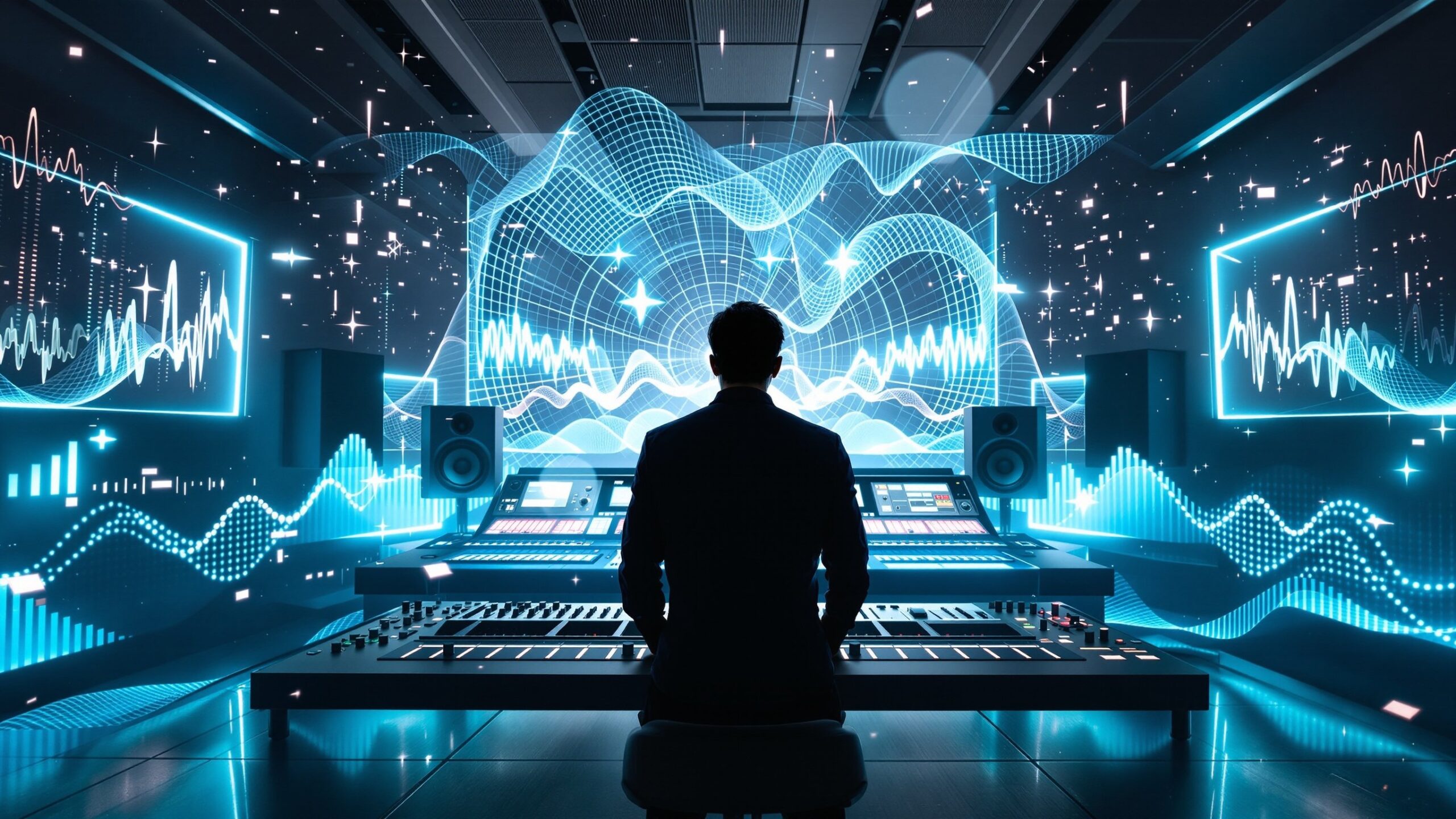

AI Vocal Synthesis is reshaping the way voices are created, performed, and experienced in modern music. This fast-evolving field blends artificial intelligence with sound design to generate lifelike vocals, expressive harmonies, and entirely new vocal identities that were once impossible to achieve. From hyper-realistic singing voices to futuristic, stylized tones, AI vocal tools are opening creative doors for producers, songwriters, composers, and digital artists alike. On AI Music Street, this section explores the technology, artistry, and impact behind AI-generated vocals. You’ll discover how vocal synthesis engines work, how emotion and phrasing are modeled, and how creators are using AI voices across genres—from pop and electronic to film scoring, gaming, and experimental soundscapes. We dive into ethical questions, creative ownership, and the balance between human expression and machine-driven performance, while also showcasing practical workflows and emerging trends. Whether you’re curious about virtual singers, voice cloning, text-to-singing systems, or the future of vocal performance, AI Vocal Synthesis is your gateway into one of the most exciting frontiers in music creation—where technology doesn’t replace the voice, but reimagines what it can be.
A: Add phrase dynamics, subtle timing variation, and realistic vibrato onset—then tame resonances with light EQ.
A: Adjust phoneme/vowel lengths, reduce fast transitions, and avoid heavy reverb until the vocal reads clearly.
A: Treat it like a real vocal: de-ess, compress gently, EQ for space, then add depth effects.
A: Only with proper rights/permission—using someone’s likeness/voice without consent can create legal issues.
A: Reduce vibrato depth, smooth pitch curves, and consider a very light pitch-stabilizing pass after rendering.
A: Slightly change tone/timing per harmony, keep them darker/quieter than the lead, and avoid identical vibrato.
A: Usually render dry first, then add processing—easier troubleshooting and cleaner results.
A: Match your project (often 44.1k or 48k) and keep it consistent end-to-end to avoid weird resampling artifacts.
A: De-ess and reduce high-shelf boosts; also try softer consonant settings or slightly different phonemes.
A: Use licensed/consented voices, document permissions, and label synthetic vocals clearly in your project files.

What Is AI Vocal Synthesis? How Artificial Voices Really Work
AI voices no longer sound robotic—they speak, emote, and perform with stunning realism. This guide reveals how AI vocal synthesis truly works, from neural learning and sound modeling to emotion, identity, and the future of artificial speech shaping music, media, and human–machine interaction.
AI Vocal Synthesis Explained: From Text to Singing Voice
AI vocal synthesis turns written words into expressive singing voices using advanced machine learning, phonetics, and musical intelligence. This guide reveals how lyrics become melody, how emotion is modeled, and why AI-generated vocals are reshaping modern music, virtual performers, and creative production.
Best AI Vocal Synthesis Tools for Music and Voice Creation
AI vocals are no longer futuristic experiments—they’re powerful creative tools. From lifelike AI singers to expressive voice modeling and cinematic speech, this guide explores the best AI vocal synthesis tools shaping modern music and voice creation. Learn how today’s producers, songwriters, and creators are using AI voices to unlock new sounds, faster workflows, and bold creative possibilities.
