
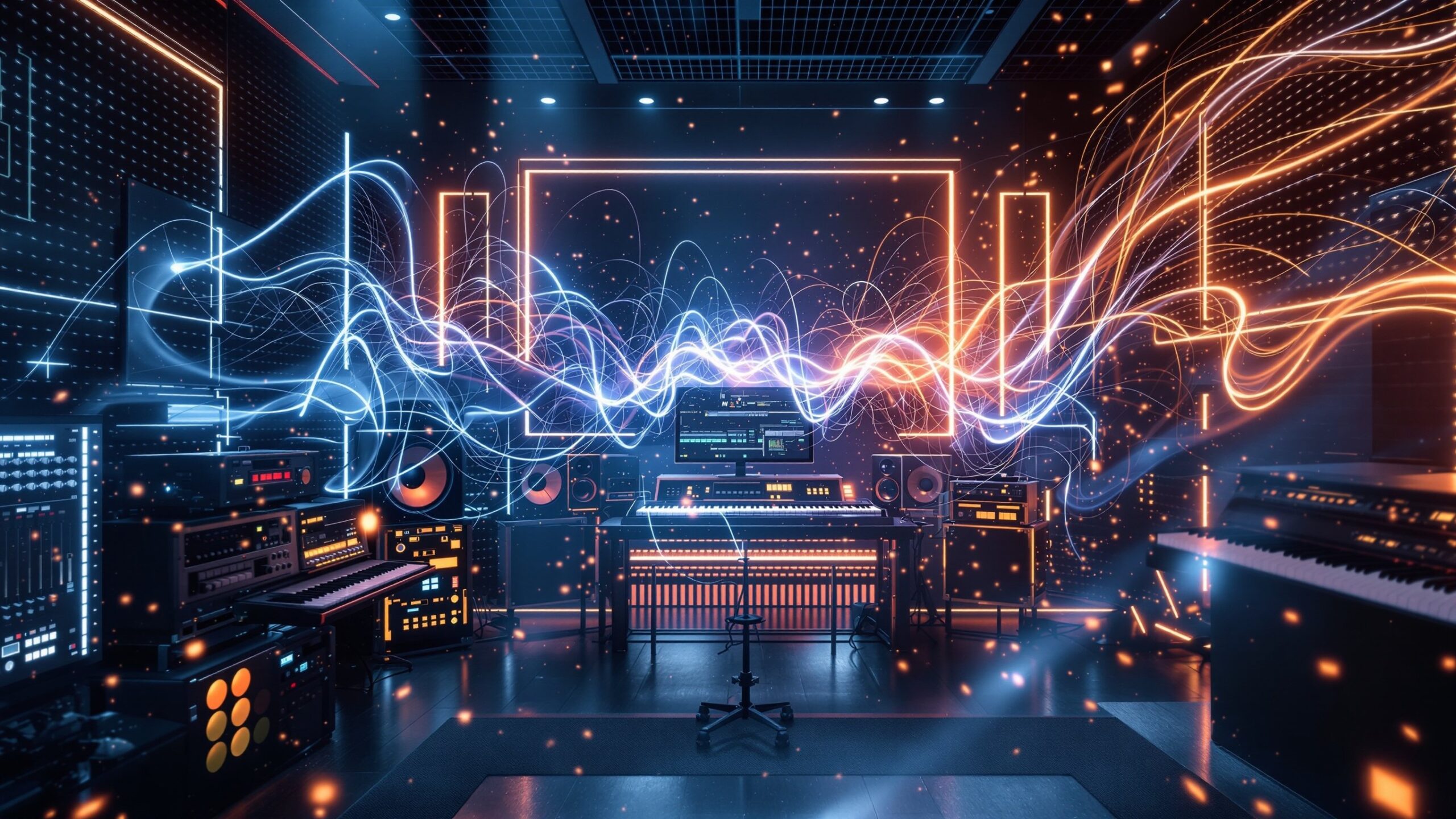
AI Animation for Musicians is where sound begins to move. This space on AI Music Street explores how artists, producers, and bands are using artificial intelligence to transform music into living visuals—animated worlds that pulse with rhythm, emotion, and story. From looping visualizers and lyric animations to fully animated music videos and virtual performers, AI animation opens new creative doors without the need for massive budgets or animation studios. Here, music is no longer just heard—it’s seen, felt, and experienced across screens, stages, and social platforms. Whether you’re an independent musician looking to elevate your releases, a producer crafting immersive visuals for live shows, or a content creator building a recognizable visual identity, AI-powered animation tools make it possible to move faster, experiment freely, and stand out in a crowded digital landscape. This category dives into the tools, techniques, and creative ideas shaping the future of animated music visuals. You’ll discover how AI turns beats into motion, melodies into characters, and songs into cinematic moments—helping musicians connect with audiences in bold, unforgettable ways.
A: Not required, but stems make beat-reactive motion cleaner and more controllable.
A: Use stable lighting, shorter motion, consistent prompts, and avoid rapid camera changes on close-ups.
A: A 9:16 loop with a strong first second and a clear chorus moment usually performs best.
A: Yes—add subtle depth, micro-movement, and controlled lighting instead of extreme motion.
A: Often better to follow emotion and energy—metaphor ages better than literal scenes.
A: 6–12 seconds for teasers, 15–30 seconds for hooks, and full-length versions for YouTube/EPKs.
A: Yes—use signature colors, shapes, and lighting as your identity instead of on-screen words.
A: Lock concept → mark sync points → create a loop → add transitions → export in 3 aspect ratios.
A: Use moving light beams, haze, crowd silhouettes, and beat-matched cuts—avoid readable signage.
A: Too many styles at once—pick one aesthetic and repeat motifs so it feels intentional.