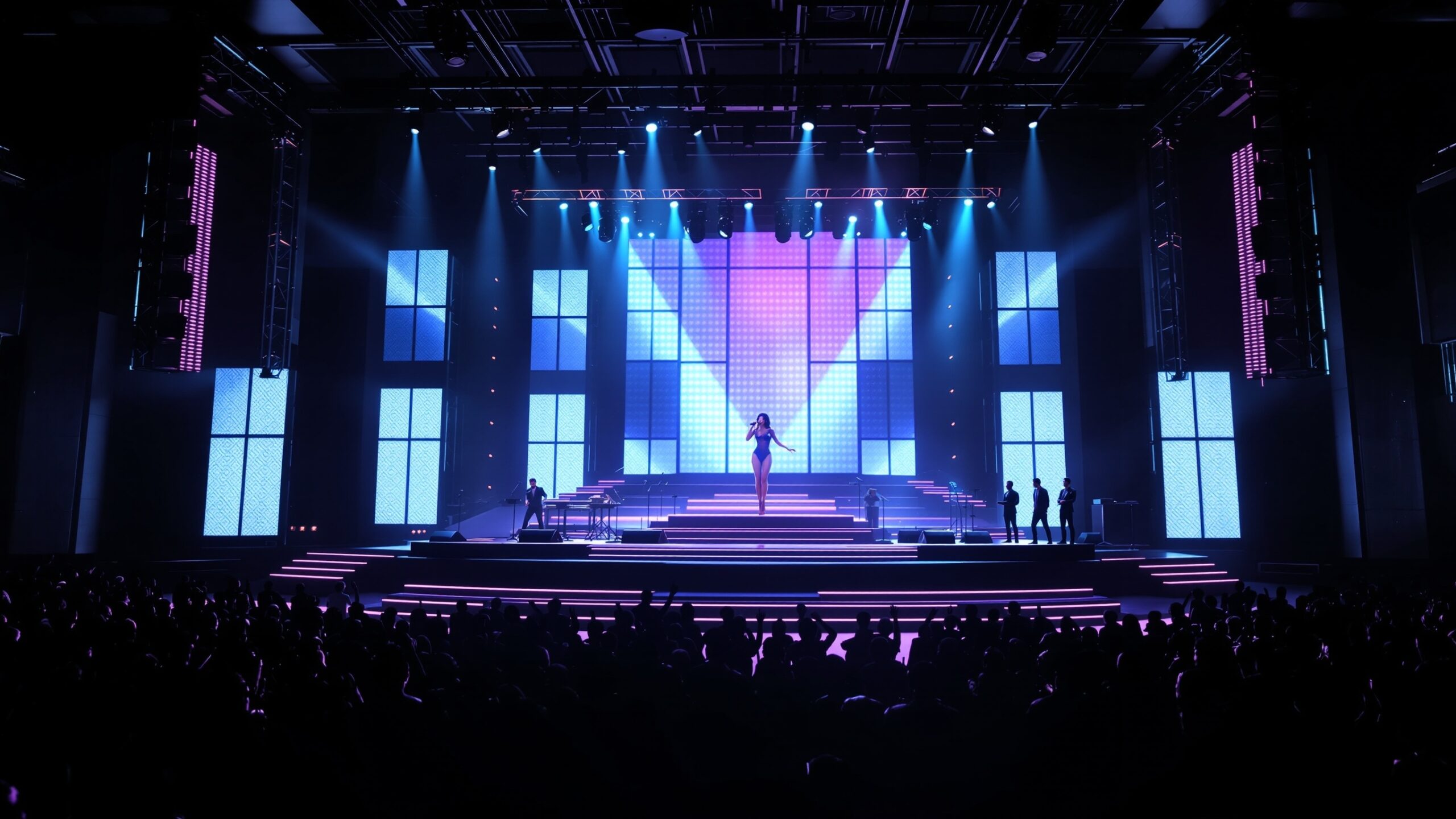
The music industry has always evolved alongside technology, but few innovations have disrupted its core identity as dramatically as artificial intelligence. In an era defined by digital experiences, streaming dominance, and global connectivity, a new type of performer has emerged—one that doesn’t age, tire, or even physically exist. Enter the virtual frontman: an AI-powered singer or digital persona that can create, perform, and even interact with audiences in ways that challenge our traditional understanding of music and celebrity. The concept may seem futuristic, but it is already shaping the soundscape of modern entertainment. From fully synthetic voices to hyper-realistic avatars performing on virtual stages, AI singers are no longer experimental novelties—they are becoming central figures in music production, branding, and fan engagement. As these virtual performers grow in sophistication, they are not just participating in the industry—they are redefining it.
A: It is a digital singer or character used as the lead identity for a music project, often powered by AI vocals, avatar design, or both.
A: Not entirely; they are expanding the ways music can be created, branded, and performed.
A: Sometimes yes, especially with strong production and careful vocal shaping, though human nuance still matters.
A: They combine music, visuals, storytelling, and internet culture into a single shareable identity.
A: Not always, but a strong visual identity usually helps audiences connect more quickly.
A: Yes, many use them for demos, alternate versions, creative exploration, or full concept projects.
A: Making the result feel authentic, legally clear, and emotionally engaging rather than gimmicky.
A: No, they can be adapted for pop, hip-hop, experimental music, cinematic projects, and more.
A: Many fans care more about the quality of the songs and the strength of the character than the artist’s physical reality.
A: It may evolve quickly, but the broader shift toward digital performers and AI-assisted music creation is likely here to stay.
Defining the Virtual Frontman
A virtual frontman is a digitally created performer, often powered by artificial intelligence, designed to function as the lead voice or personality of a musical act. Unlike traditional artists, these frontmen do not rely on human vocal cords or physical presence. Instead, they use machine learning models, voice synthesis, and digital animation to produce music and performances.
At their core, virtual frontmen combine several technologies. AI voice models generate vocals that can mimic human expression with astonishing realism. Visual engines create avatars that range from stylized characters to photorealistic humans. Behind the scenes, algorithms can compose melodies, write lyrics, and even adapt performances based on audience data. The result is a performer that exists entirely within the digital realm but can connect with listeners on a deeply emotional level.
What distinguishes a virtual frontman from other digital tools is their role as the “face” of a project. They are not just instruments or effects—they are identities. Fans follow them, engage with their personalities, and build relationships with their stories, much like they would with a human artist.
From Vocaloids to Fully Autonomous Performers
The journey toward AI singers did not begin overnight. Early examples can be traced back to vocal synthesis software like Vocaloid, which allowed users to program songs using pre-recorded voice banks. These systems gave rise to iconic virtual idols, most notably Hatsune Miku, who blurred the line between software and celebrity by performing in sold-out concerts as a holographic figure.
While Vocaloids required significant human input, today’s AI singers are far more autonomous. Modern systems can generate original vocals from scratch, analyze trends in popular music, and even adjust their style to match specific genres. Machine learning has enabled these performers to evolve continuously, learning from vast datasets of music and refining their output over time.
This shift from tool to artist represents a fundamental transformation. AI is no longer just assisting musicians—it is becoming the musician.
The Technology Behind AI Singers
Understanding the rise of virtual frontmen requires a closer look at the technology that powers them. At the heart of AI singers are neural networks trained on massive collections of audio data. These models learn the nuances of pitch, tone, phrasing, and emotional delivery, allowing them to produce vocals that feel convincingly human.
Text-to-speech systems have evolved into text-to-singing engines, capable of translating written lyrics into expressive performances. Meanwhile, generative AI tools can compose entire songs, from chord progressions to full arrangements, often in seconds. When combined, these technologies create a seamless pipeline for producing music without traditional recording processes.
On the visual side, advancements in real-time rendering and motion capture enable virtual frontmen to perform in immersive environments. Whether appearing in music videos, livestreams, or virtual reality concerts, these avatars can move, emote, and interact with audiences in increasingly lifelike ways.
The integration of these systems results in a performer that is not only scalable but also infinitely adaptable. A virtual frontman can release multiple songs across genres, collaborate with various creators, and maintain a consistent presence without the limitations faced by human artists.
Why the Industry Is Embracing Virtual Frontmen
The appeal of AI singers extends beyond novelty. For record labels, producers, and brands, virtual frontmen offer a level of control and efficiency that traditional artists cannot match. There are no scheduling conflicts, no creative disputes, and no physical constraints. Music can be produced faster, released more frequently, and tailored to specific audiences with precision.
Cost efficiency is another driving factor. While developing AI systems requires initial investment, the long-term production costs can be significantly lower than managing human talent. Virtual frontmen do not require travel, accommodations, or extensive recording sessions, making them an attractive option for scalable content creation.
Moreover, these digital performers are inherently global. They can sing in multiple languages, adapt to different cultural contexts, and reach audiences worldwide without barriers. This flexibility aligns perfectly with the borderless nature of modern music consumption.
Perhaps most importantly, virtual frontmen open new creative possibilities. Artists and producers can experiment with sounds, styles, and concepts that would be difficult or impossible to achieve with human performers. The result is a wave of innovation that is pushing the boundaries of what music can be.
The Fan Experience in the Age of AI
One of the most fascinating aspects of virtual frontmen is how they reshape the relationship between artist and audience. In many ways, AI singers offer a more interactive and personalized experience than traditional performers. Fans can engage with these digital personalities through social media, virtual events, and even direct interactions powered by conversational AI.
This level of engagement creates a sense of intimacy that is both familiar and entirely new. Virtual frontmen can respond to fan input, adapt their content based on feedback, and maintain a constant presence in the digital space. They are always “on,” always accessible, and always evolving.
At the same time, this dynamic raises questions about authenticity. Can a machine truly connect with human emotions? Surprisingly, many listeners find that the answer is yes. Emotional resonance in music often comes from melody, harmony, and lyrical themes—elements that AI can replicate with increasing sophistication.
As audiences grow more comfortable with digital experiences, the distinction between human and virtual performers becomes less significant. What matters is the quality of the music and the strength of the connection.
Ethical and Creative Challenges
Despite their potential, virtual frontmen also introduce a range of ethical and creative challenges. One of the most pressing concerns is the issue of authorship. When an AI generates a song, who owns the rights? Is it the developer, the user, or the algorithm itself?
There are also questions about the use of existing artists’ voices. AI models trained on human vocals can sometimes replicate specific singers, raising concerns about consent and intellectual property. The industry is still grappling with how to regulate these practices while encouraging innovation.
From a creative standpoint, some critics argue that AI-generated music lacks the authenticity and lived experience that define great artistry. They worry that an overreliance on algorithms could lead to homogenization, where songs are optimized for trends rather than genuine expression.
However, others see AI as a tool that enhances creativity rather than replaces it. By automating certain aspects of production, artists can focus more on storytelling, experimentation, and conceptual development. In this view, virtual frontmen are not competitors but collaborators.
Virtual Frontmen and the Future of Performance
Live performance has always been a cornerstone of the music industry, and virtual frontmen are redefining what it means to perform. Virtual concerts, augmented reality shows, and immersive digital experiences are becoming increasingly popular, offering audiences new ways to experience music.
These performances are not limited by physical venues or geographic constraints. A virtual frontman can “appear” in multiple locations simultaneously, reaching fans around the world in real time. The integration of technologies like virtual reality and holography further enhances the experience, creating environments that blend the physical and digital worlds.
As these formats evolve, they may become a standard part of the music ecosystem. Traditional concerts will likely continue to thrive, but virtual performances will expand the possibilities, offering new forms of engagement and creativity.
The Blurring Line Between Human and Machine
Perhaps the most profound impact of virtual frontmen is the way they blur the line between human and machine. As AI singers become more sophisticated, it becomes increasingly difficult to distinguish between a human voice and a synthetic one.
This convergence raises philosophical questions about the nature of art and identity. If a song moves us emotionally, does it matter whether it was created by a human or an algorithm? For many listeners, the answer is shifting. The focus is less on the origin of the music and more on the experience it provides.
At the same time, the presence of virtual frontmen may encourage human artists to evolve in new ways. By embracing technology, they can explore hybrid approaches that combine human creativity with AI capabilities. This collaboration could lead to a richer, more diverse musical landscape.
Opportunities for Independent Creators
One of the most exciting aspects of AI singers is their potential to democratize music production. Independent creators now have access to tools that were once reserved for major studios, allowing them to produce high-quality music with minimal resources.
Virtual frontmen can serve as brand identities for these creators, enabling them to build audiences without relying on traditional pathways. This shift empowers a new generation of artists to experiment, innovate, and reach global audiences on their own terms.
The rise of AI also lowers barriers to entry, making it easier for individuals to participate in the music industry. While this increased accessibility may lead to greater competition, it also fosters a more dynamic and inclusive creative environment.
The Role of Branding and Storytelling
In the age of virtual frontmen, branding and storytelling play a crucial role. Because these performers are digital constructs, their identities can be carefully crafted and continuously refined. Every aspect, from visual design to personality traits, can be tailored to resonate with specific audiences.
This level of control allows creators to build immersive narratives around their virtual artists. Fans are not just listening to music—they are engaging with a story, a world, and a character. This approach aligns with broader trends in entertainment, where audiences seek deeper, more interactive experiences.
As a result, virtual frontmen are not just musicians—they are multimedia brands. They exist across platforms, from music streaming services to social media and virtual environments, creating a cohesive and engaging presence.
What Lies Ahead for AI Singers
The trajectory of virtual frontmen suggests that their influence will continue to grow. Advances in AI, graphics, and interactive technologies will make these performers even more realistic, expressive, and versatile. As the technology matures, we may see virtual artists collaborating seamlessly with human musicians, blurring the boundaries between digital and physical creativity.
At the same time, the industry will need to address the ethical, legal, and cultural implications of this shift. Establishing clear guidelines and frameworks will be essential to ensure that innovation is balanced with responsibility.
Ultimately, the rise of AI singers represents a new chapter in the story of music. It is a chapter defined by experimentation, transformation, and the reimagining of what it means to be an artist.
A New Face of Music
The concept of a virtual frontman challenges long-held assumptions about music, performance, and identity. By combining artificial intelligence with creative expression, these digital performers are reshaping the industry in profound ways. They offer new opportunities for innovation, accessibility, and global connection, while also raising important questions about authenticity and authorship. As audiences continue to embrace digital experiences, virtual frontmen are poised to become a central part of the musical landscape. Whether viewed as tools, collaborators, or stars in their own right, AI singers are undeniably becoming the face of a new era in music—one where the boundaries between human and machine are not just blurred, but redefined.