
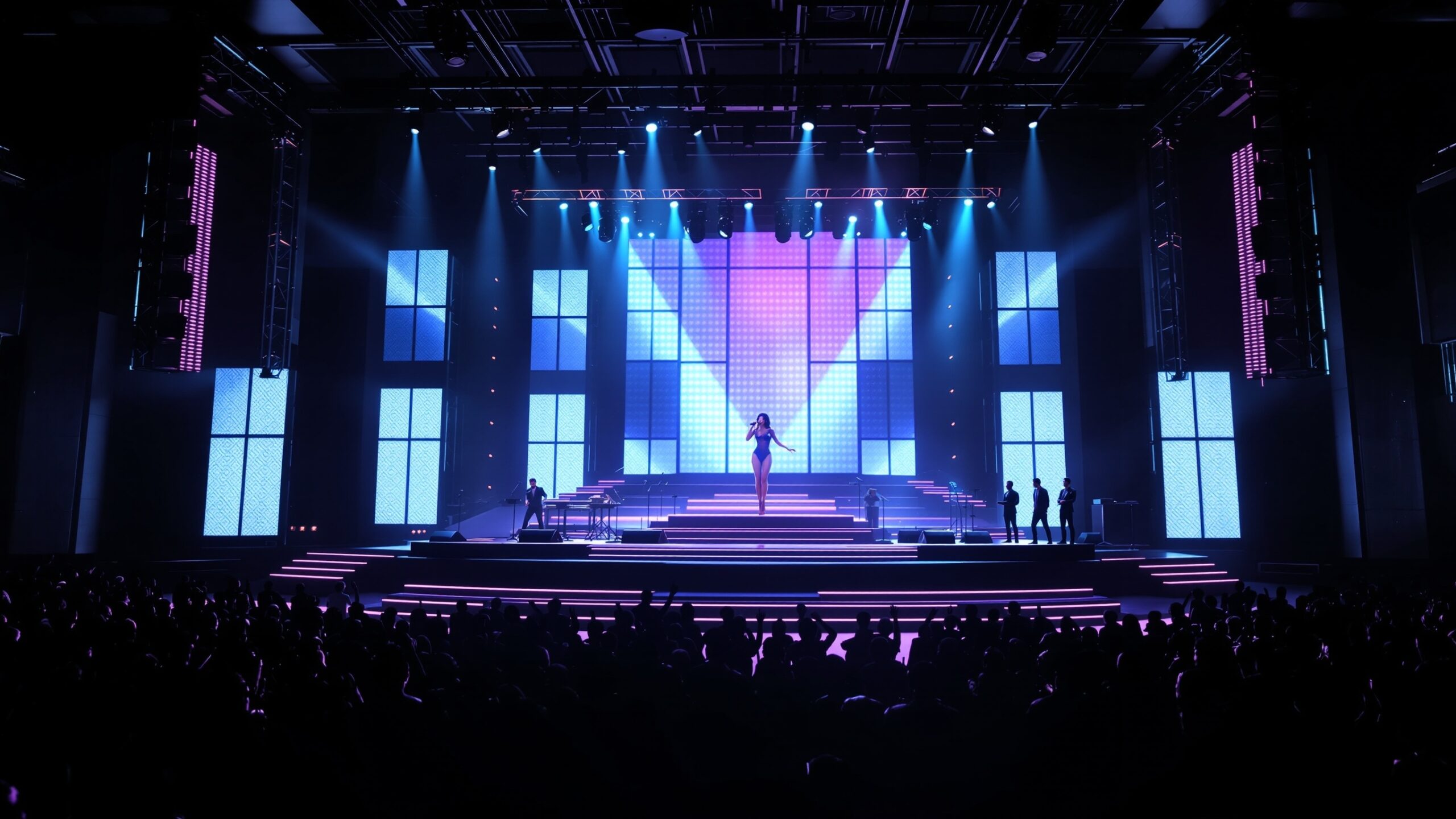
In an era where technology is redefining creativity, the music industry is undergoing one of its most fascinating transformations yet: the emergence of virtual frontwomen. These AI-powered performers are stepping into the spotlight, fronting bands without being human themselves. They sing, perform, interact with fans, and even develop unique personas—all without a physical body. What once felt like science fiction is now a rapidly evolving reality, reshaping how audiences experience music and how artists create it. Virtual frontwomen are not just digital avatars or animated characters; they are complex systems powered by artificial intelligence, machine learning, and sophisticated design. They represent a fusion of music production, character development, and cutting-edge technology. As audiences become more comfortable with digital personalities—from virtual influencers to AI-generated art—the transition into AI-led music acts feels both natural and inevitable.
A: It is a digital lead singer or character who fronts a band using AI vocals, animation, and branded storytelling.
A: Usually humans still write, produce, design, and direct the project even if the lead performer is not human.
A: In most cases they are creating a new category of performance rather than fully replacing human artists.
A: Through animation, motion capture, pre-rendered visuals, live rendering, or hologram-style staging.
A: Yes, especially when producers carefully shape expression, phrasing, dynamics, and musical context.
A: They combine music, futuristic visuals, storytelling, and the novelty of a star who exists entirely in digital form.
A: Pop and electronic are common fits, but rock, metal, experimental, and cinematic music can also work extremely well.
A: Yes, especially around voice cloning, consent, copyright, transparency, and the ownership of digital identities.
A: Often yes; strong character design and consistent content can create very real fan loyalty.
A: Great songs, a memorable identity, polished visuals, and a performance style that feels emotionally believable.
What Is a Virtual Frontwoman?
A virtual frontwoman is an AI-driven or digitally created character that serves as the lead performer or “face” of a band or music project. Unlike traditional singers, these frontwomen may not exist physically but are brought to life through animation, voice synthesis, and carefully crafted storytelling. They can perform live via holograms, appear in music videos, engage on social media, and even “collaborate” with human musicians.
At the core of these performers lies artificial intelligence. Voice synthesis technologies allow them to sing in multiple styles, languages, and tones. Machine learning algorithms can adapt their sound over time, learning from trends, feedback, and data. Meanwhile, visual design teams craft their appearance, personality, and aesthetic, ensuring they resonate with target audiences.
The result is a performer who is not limited by human constraints. A virtual frontwoman doesn’t age, tire, or face creative burnout in the traditional sense. She can evolve continuously, adapting her identity and musical style to stay relevant in an ever-changing industry.
The Technology Behind AI Music Stars
The creation of a virtual frontwoman is a multidisciplinary process that blends several advanced technologies. At the heart of it all is artificial intelligence, particularly deep learning models trained on vast datasets of music, vocals, and human expression. These systems can generate melodies, lyrics, and vocal performances that closely mimic—or even surpass—human capabilities.
Voice synthesis plays a crucial role. Modern AI voices are capable of nuanced emotional delivery, allowing virtual frontwomen to convey feeling and authenticity. Unlike early robotic-sounding systems, today’s AI voices can capture subtle variations in pitch, timing, and tone, making them sound remarkably human.
Visual rendering is another key component. Using 3D modeling, motion capture, and animation, developers create lifelike characters that can perform on stage or in digital environments. Some virtual frontwomen are stylized and futuristic, while others aim for hyper-realism, blurring the line between human and artificial.
Additionally, natural language processing enables these performers to interact with fans. They can respond to comments, participate in interviews, and maintain a social media presence, further strengthening their connection with audiences. This combination of technologies creates an immersive experience where fans feel they are engaging with a real artist.
Why Virtual Frontwomen Are Gaining Popularity
The growing appeal of virtual frontwomen can be attributed to several factors, both technological and cultural. First, there is the novelty factor. Audiences are naturally drawn to innovation, and AI performers offer something entirely new. They challenge traditional notions of artistry and performance, sparking curiosity and excitement.
Second, virtual frontwomen offer creative freedom. Artists and producers are no longer limited by the capabilities or availability of human performers. They can experiment with genres, vocal ranges, and visual aesthetics without constraints. This opens the door to entirely new forms of musical expression.
Third, these digital performers are highly adaptable. They can release music at a rapid pace, respond to trends in real time, and maintain a consistent presence across platforms. In an industry where attention spans are short and competition is fierce, this level of agility is a significant advantage.
Finally, there is a growing cultural acceptance of digital identities. From virtual influencers to AI-generated content, audiences are becoming more comfortable engaging with non-human entities. Virtual frontwomen fit seamlessly into this landscape, offering a unique blend of entertainment and innovation.
Redefining the Role of the Frontwoman
Traditionally, a frontwoman is the emotional and visual center of a band. She connects with the audience, embodies the music, and drives the group’s identity. Virtual frontwomen are redefining this role in profound ways.
Instead of being limited by personal experiences, AI frontwomen can be programmed with rich backstories, evolving personalities, and carefully curated identities. They can represent ideals, narratives, or themes that resonate deeply with audiences. This level of control allows creators to craft performers who are perfectly aligned with a band’s vision.
Moreover, virtual frontwomen can exist simultaneously in multiple spaces. They can perform a live concert in one city while appearing in a virtual event halfway across the world. This omnipresence expands the reach of music in ways that were previously impossible.
However, this shift also raises important questions about authenticity. Can a performer without human experience truly connect with audiences on an emotional level? Interestingly, many fans report that they do feel genuine connections with virtual artists, suggesting that authenticity may be more about perception than origin.
The Creative Process Behind AI-Led Bands
Creating a band led by a virtual frontwoman involves a collaborative effort between technologists, musicians, designers, and storytellers. The process often begins with concept development. What kind of character will the frontwoman be? What genre will she perform? What story will she tell?
Once the concept is established, voice models are trained or selected to match the desired sound. Producers and composers work alongside AI systems to create music that aligns with the character’s identity. This hybrid approach combines human creativity with machine efficiency, resulting in unique and compelling compositions.
Visual design follows, with artists creating the frontwoman’s appearance, wardrobe, and overall aesthetic. Motion capture may be used to bring her movements to life, adding realism and expressiveness to her performances.
Finally, marketing and storytelling play a crucial role. A virtual frontwoman is not just a singer; she is a brand. Her personality, interactions, and narrative must be carefully managed to maintain consistency and engagement. This holistic approach ensures that the performer feels cohesive and believable.
Fan Engagement in the Age of AI Performers
One of the most intriguing aspects of virtual frontwomen is how they engage with fans. Unlike traditional artists, these performers can interact at scale. They can respond to thousands of messages, participate in live chats, and maintain a constant online presence.
This level of interaction creates a sense of accessibility that is difficult for human artists to match. Fans feel seen and heard, fostering a deeper connection with the performer. Additionally, AI systems can analyze fan behavior and preferences, tailoring content to maximize engagement.
Virtual concerts and experiences further enhance this connection. Using augmented reality and virtual reality technologies, fans can attend performances in immersive digital environments. These experiences are not bound by physical limitations, allowing for creative and visually stunning shows.
However, this also introduces ethical considerations. Transparency becomes important, as fans should understand that they are interacting with an AI rather than a human. Maintaining trust is essential for long-term success.
Challenges and Criticisms
Despite their growing popularity, virtual frontwomen are not without controversy. One of the primary concerns is the potential impact on human artists. As AI performers become more advanced, there is a fear that they could replace traditional musicians, reducing opportunities for human talent.
There are also questions about creativity and originality. While AI can generate music and performances, critics argue that it lacks true creativity, as it relies on existing data and patterns. This raises philosophical questions about what it means to create art.
Ethical considerations also come into play. Who owns the rights to a virtual frontwoman’s music? Who is responsible for her actions or statements? These questions highlight the need for clear guidelines and regulations as the technology continues to evolve.
Additionally, there is the issue of authenticity. Some audiences remain skeptical of AI performers, viewing them as less genuine than human artists. Overcoming this perception will be crucial for widespread acceptance.
The Business of Virtual Frontwomen
From a business perspective, virtual frontwomen offer significant advantages. They are highly scalable, cost-efficient, and adaptable. Once created, they can generate content continuously without the logistical challenges associated with human performers.
Brands and companies are already recognizing the potential of these digital artists. Virtual frontwomen can serve as ambassadors, collaborate with other artists, and even appear in advertising campaigns. Their versatility makes them valuable assets in the entertainment industry.
Moreover, they open up new revenue streams. From virtual merchandise to digital experiences, the possibilities are vast. Fans can purchase exclusive content, attend virtual events, and interact with the performer in innovative ways.
This business model aligns well with the digital-first nature of modern entertainment. As audiences increasingly consume content online, virtual frontwomen are perfectly positioned to thrive.
The Future of AI-Led Music
The rise of virtual frontwomen is just the beginning of a broader تحول in the music industry. As technology continues to advance, we can expect these performers to become even more sophisticated and integrated into mainstream culture. Future developments may include fully autonomous AI artists capable of creating, performing, and managing their careers independently. Advances in virtual reality could lead to fully immersive concerts where fans interact with performers in real time.
Collaboration between human and AI artists is also likely to increase. Rather than replacing human musicians, virtual frontwomen may complement them, creating hybrid acts that combine the best of both worlds. Additionally, personalization could play a significant role. Imagine a virtual frontwoman who adapts her music and interactions specifically for each fan, creating a deeply personalized experience. This level of customization could redefine how audiences engage with music.
Cultural Impact and Broader Implications
Beyond the music industry, virtual frontwomen are part of a larger cultural shift toward digital identity and expression. They challenge traditional notions of what it means to be an artist, a performer, and even a person.
This shift has implications for society as a whole. It raises questions about identity, creativity, and the role of technology in our lives. As virtual frontwomen become more prevalent, they may influence fashion, storytelling, and other forms of media.
They also offer opportunities for inclusivity and representation. Creators can design performers that reflect diverse backgrounds, perspectives, and experiences, contributing to a more inclusive cultural landscape.
However, it is important to approach this transformation thoughtfully. Balancing innovation with ethical considerations will be key to ensuring that the rise of virtual frontwomen benefits both creators and audiences.
A New Era of Music Performance
Virtual frontwomen represent a bold and exciting evolution in the world of music. By combining artificial intelligence, creative design, and innovative storytelling, they are redefining what it means to lead a band. They offer new possibilities for artistic expression, fan engagement, and business models, while also challenging traditional notions of authenticity and creativity. As technology continues to advance, these digital performers are likely to become an increasingly prominent part of the music landscape. Whether they are viewed as a complement to human artists or a transformative force in their own right, one thing is clear: virtual frontwomen are not just a trend—they are a glimpse into the future of entertainment. In this new era, the stage is no longer limited to physical presence. It is a digital canvas where imagination meets innovation, and where the stars leading the show may not be human at all.
